










Attachment Superpowers
Find out what kind of superpowers you have in relationships in just a couple of minutes - and for free!
Attachment Superpowers
Find out what kind of superpowers you have in relationships in just a couple of minutes - and for free!

Ever wonder what kind of special skills you have in relationships?
Do you feel like your insecure attachment hinders you from having certain relationship skills?
Knowing we have an insecure attachment style can feel pretty dooming at times. We might think we are destined to fall into unhealthy patterns of behaviors in relationships because we’re struggling to escape our past . However, this doesn’t have to be the case.
We’re here to show you that attachment styles aren’t linear, and that having an insecure attachment style isn’t mutually exclusive from secure traits.
Our test is based on the following
Five Conditions for Secure Attachment:

The child feels safe
Entails providing a stable source of warmth and protection.
An attuned caregiver will give a strong sense of protection, yet will not be overbearing or intrusive, and certainly not neglectful.
The child feels safe to explore and someone to watch over them as they do.

The child feels seen and known
An attuned caregiver will understand and anticipate their child’s cues.
They respond accurately to their child’s signals both promptly and predictably.
This allows the child to feel in control from early on.

The child feels comfort, soothing, and reassurance
In case of distress, the caregiver is a reassuring and soothing force.
The caregiver has a calming presence that effectively brings the child to a calm emotional state.
This attunement helps the child develop self-soothing and emotion regulation skills.

The child feels valued
The caregiver expresses their joy repeatedly and consistently.
Their expression of delight is focused on Being rather than Doing.
This ultimately helps the child develop a healthy self-esteem.

The child feels supported to be their best self
Caregivers have a deep faith in their child’s ability to succeed and to overcome failure.
They are very involved and present in their child’s life, bringing them closer to autonomy and independence.
Providing this sense of confidence and security helps the child to become autonomous and to have a strong sense of self.
Not all superheroes are
secure attachers
While these are the conditions that essentially lead to a secure attachment style, we recognize that they are not all unique to secure attachers.
In fact, many insecure attachers grow to experience these conditions, and develop concurrent skills within relationships as a result.

From these five conditions, we’ve come up with five attachment superpowers that anyone can develop:


Safety Net
To Feel Safe
Physical & Emotional Closeness
Establish Trusting Relationship
Are Always Around When Needed
Provide Space to Explore Potential


The Third Eye
To Feel Seen and Known
Attuned to Emotional States
Anticipate Emotional Cues
Respond to Signals Effectively & Efficiently
Understand & Respect Limits &
Boundaries


Calming Force
To Feel Comfort and Reassurance
Natural Reassurance
Calm & Soothing Presence
Inviting yet not Overbearing
Do Not Panic in Sight of Distress


Love Rays
To Feel Valued
Genuine Compliments
Express Joy for Loved Ones
Unconditional Love
Consistent Expression of
Appreciation



Star Support
To Feel Supported to be Best Self
Encourage Exploration of Full Potential
Faith in Capabilities to Achieve Goals
Comfortable with Autonomy & Independence
Confident in Ability to Succeed &
Overcome Failure

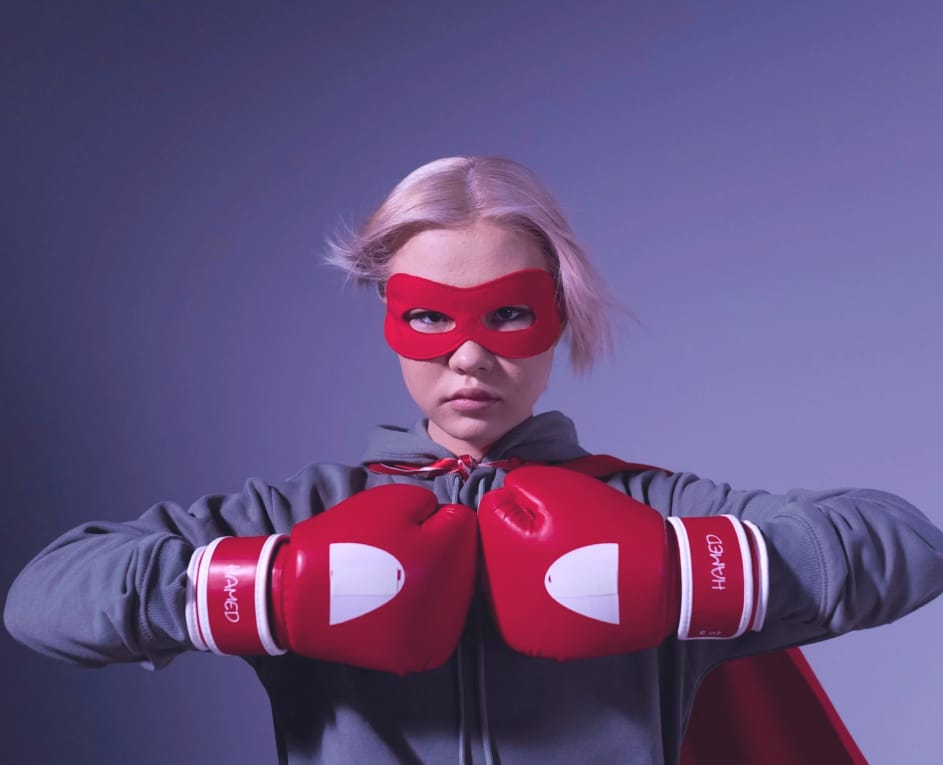
We’ve chosen to call these traits “superpowers” because we believe in their power to transform and benefit both individuals and relationships. We also understand that most of the work on attachment styles – up to this point in time – focuses on the shortcomings and obstacles that insecure attachment styles can bring.
We at The Attachment Project wish to remind everyone that we are all unique and not categorizable – we can all have successful relationships with the right effort, support, and care for one another.
We’d like to give special thanks to Paula Sacks, whose Love Rays book inspired one of our superpowers.
Brown, D. P., & Elliott, D. S. (2016). Attachment disturbances in adults: Treatment for comprehensive repair. WW Norton & Co.
Sacks, P. (2020). Love Rays. Oneosage Press.
 Get mental health tips straight to your inbox